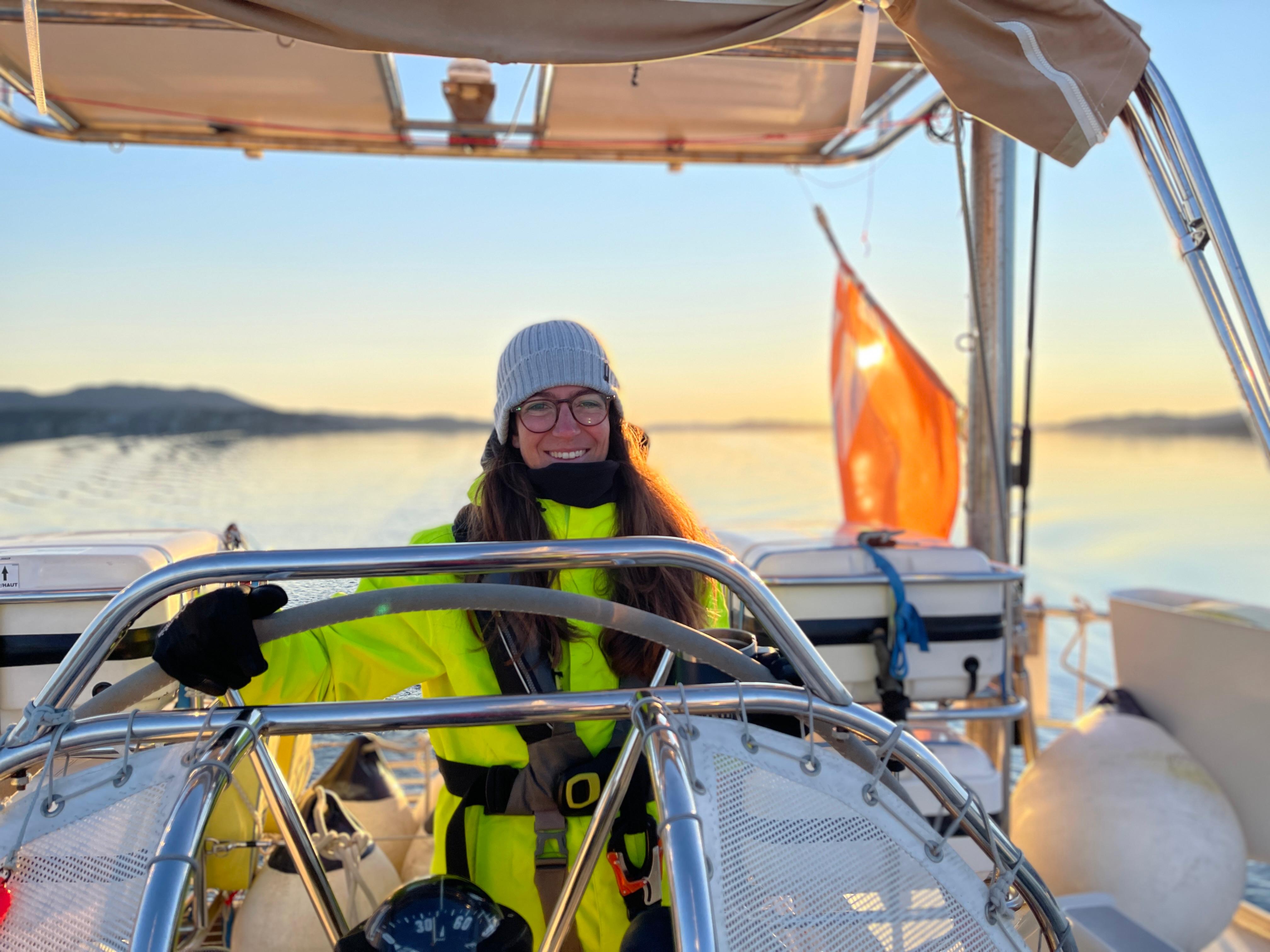
En un mundo donde la contaminación por plásticos ha alcanzado hasta los rincones más remotos del planeta, hay quienes no se conforman con observar el problema desde la distancia. Sofía Nogués Segura, del Club Nàutic Vilassar de Mar, es una de esas voces que ha decidido navegar literalmente hacia el corazón de la crisis medioambiental para documentarla, estudiarla y, sobre todo, buscar soluciones.
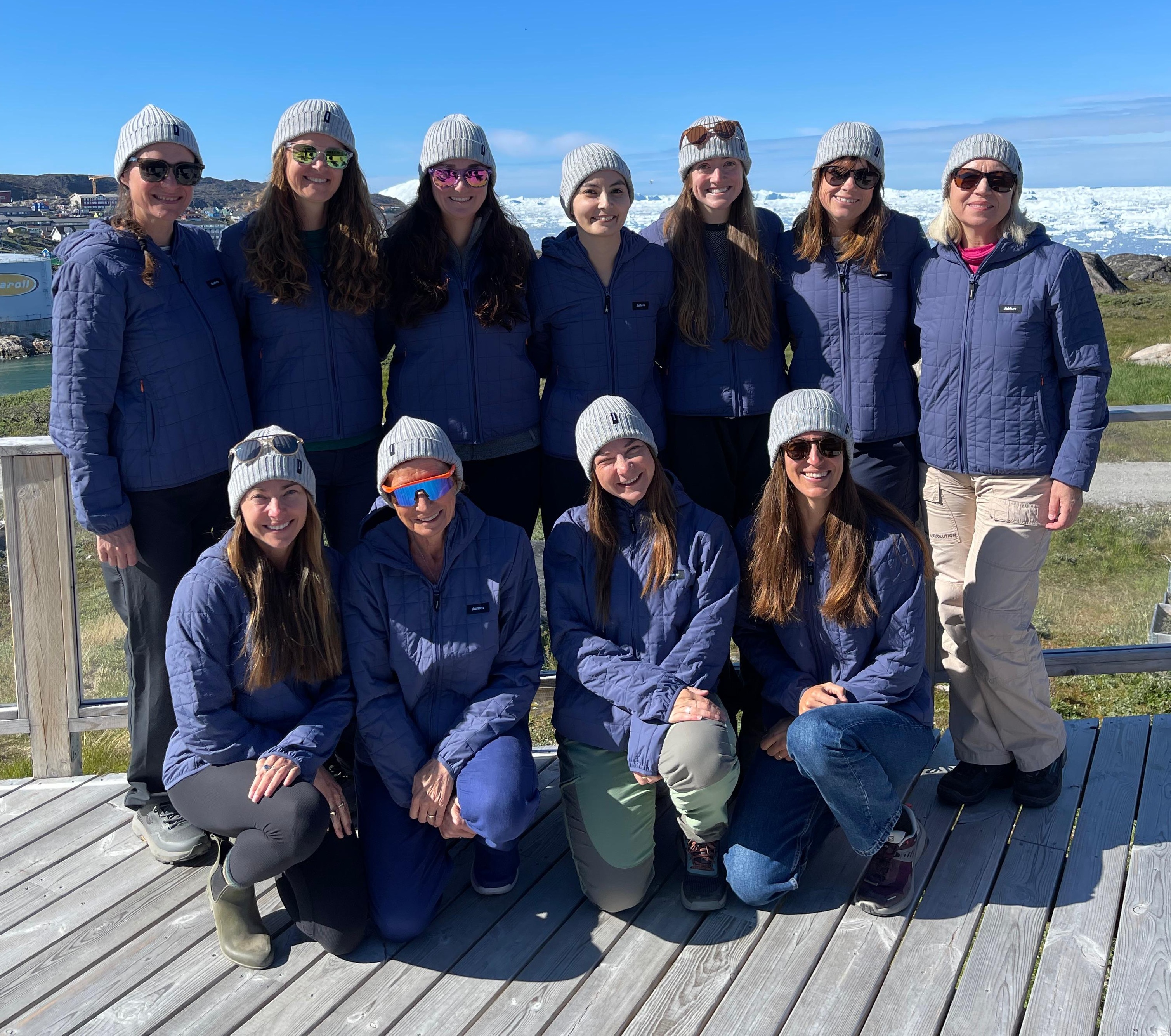
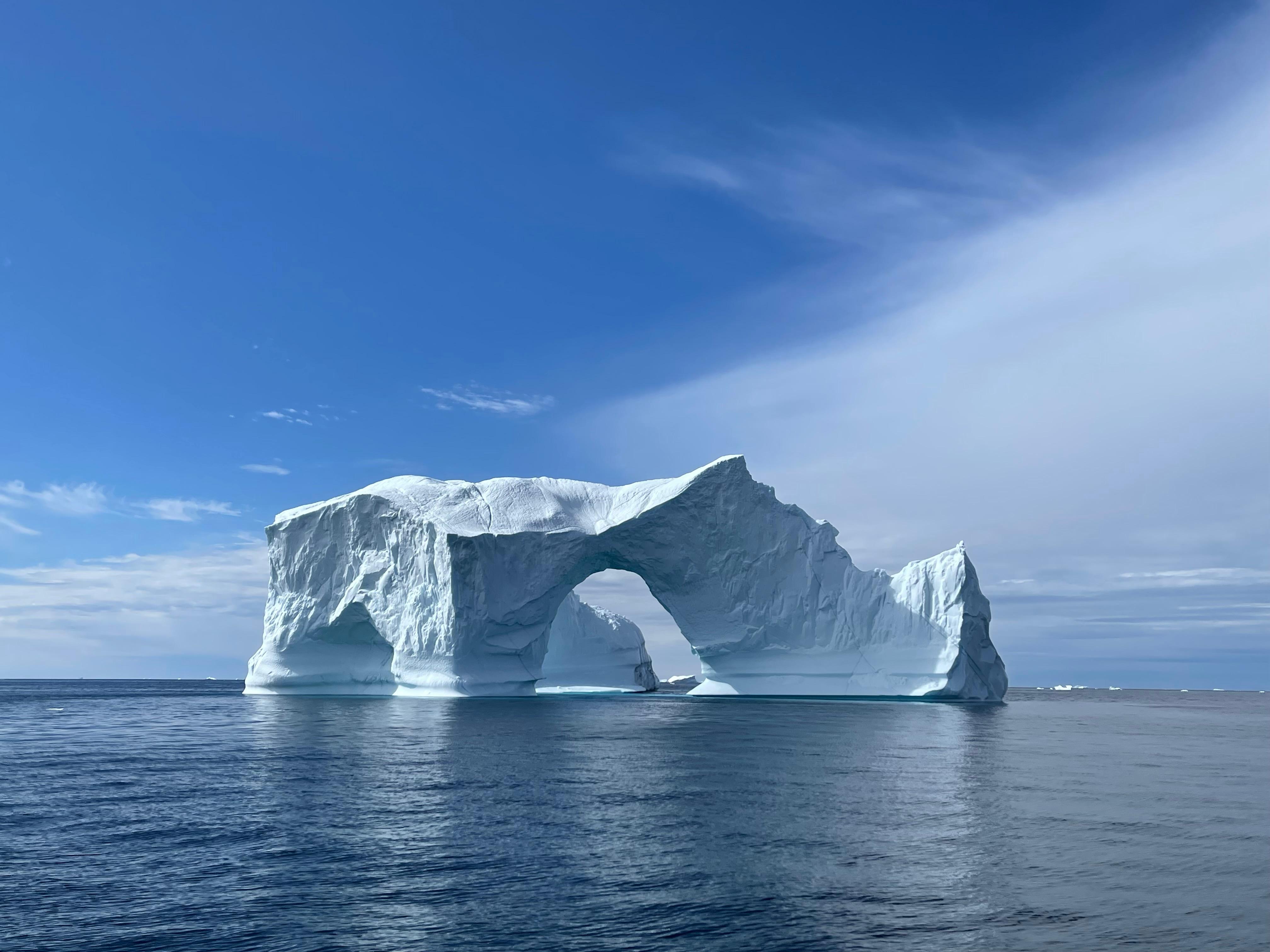
Como única representante española en la expedición eXXpedition Arctic, Sofía acaba de regresar de una travesía extraordinaria por las aguas de Groenlandia, donde una tripulación íntegramente femenina ha investigado la presencia de microplásticos en uno de los entornos más prístinos del Ártico. Desde la bahía de Disko, donde los icebergs se desprenden de glaciares milenarios, hasta la capital Nuuk, este equipo multidisciplinar de once mujeres científicas, enfermeras, periodistas, ingenieras y activistas ha combinado investigación científica de vanguardia con un compromiso inquebrantable por la sensibilización social.
vadebarcos: Sofía, han pasado siete años desde tu primera expedición con eXXpedition entre Aruba y Panamá. ¿Qué te ha motivado a volver a embarcarte en este proyecto, esta vez rumbo al Ártico?
Sofía Nogués: Después de siete años y con una pandemia de por medio, lo que he observado es que la crisis del plástico no ha dejado de crecer. Producimos más, consumimos más y seguimos sin gestionarlo adecuadamente. Eso me motivó a volverme a embarcar con eXXpedition, para poder compartir perspectivas con un grupo de mujeres de perfiles muy variados pero con una misma motivación: intentar buscar soluciones a este problema. Y el hecho de que fuese en el Ártico lo hacía todavía más atractivo al ser una zona tan remota y en la que tendríamos que encontrar muy poco o ningún plástico. Pero no fue así.
vdb: En 2019 fuiste seleccionada entre casi 10.000 candidatas. ¿Cómo ha sido el proceso de selección para esta expedición ártica y qué significa para ti ser nuevamente la única representante española?
SN: Esta vez me invitaron a ir a la expedición al haber estado en contacto con la organización todos estos años. He estado dando charlas sobre el impacto de los microplásticos en el medioambiente y el proyecto y he estado en contacto regular con la organización para organizar varios eventos.
vdb: El Ártico es uno de los entornos más remotos y prístinos del planeta. ¿Qué has encontrado en términos de contaminación por microplásticos en estas aguas y qué implicaciones tiene hallar plásticos en un lugar tan alejado de las grandes urbes?
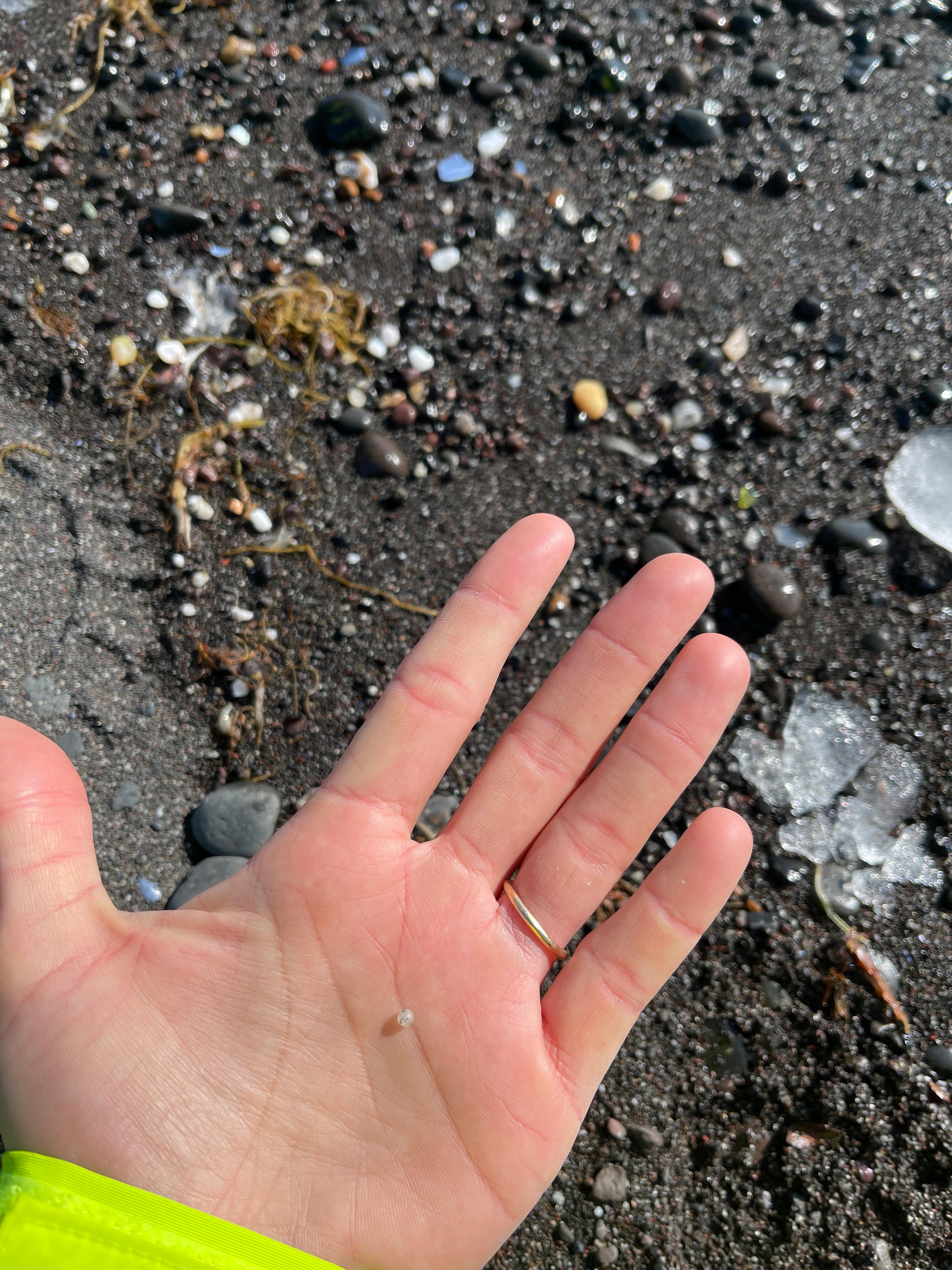
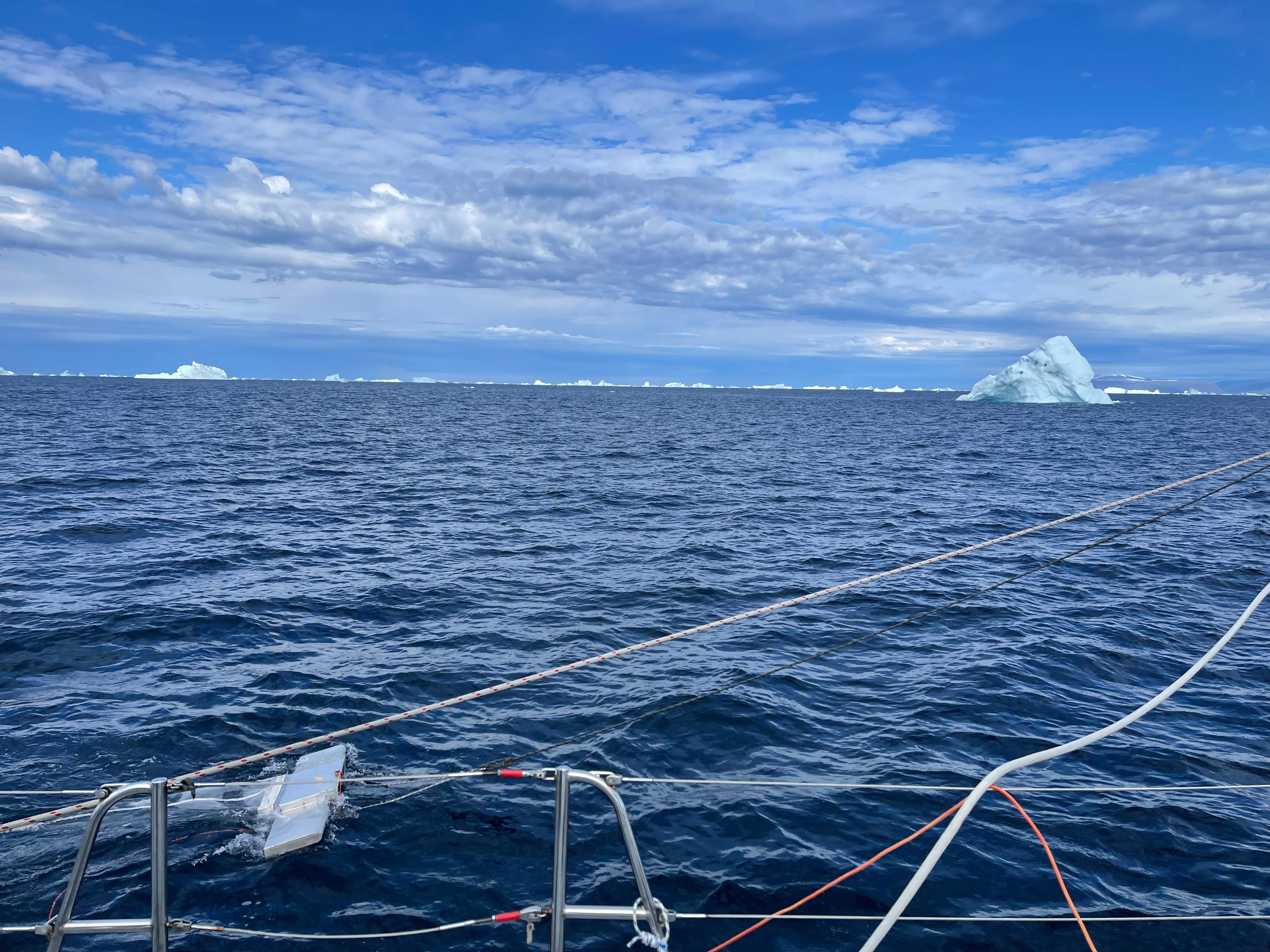
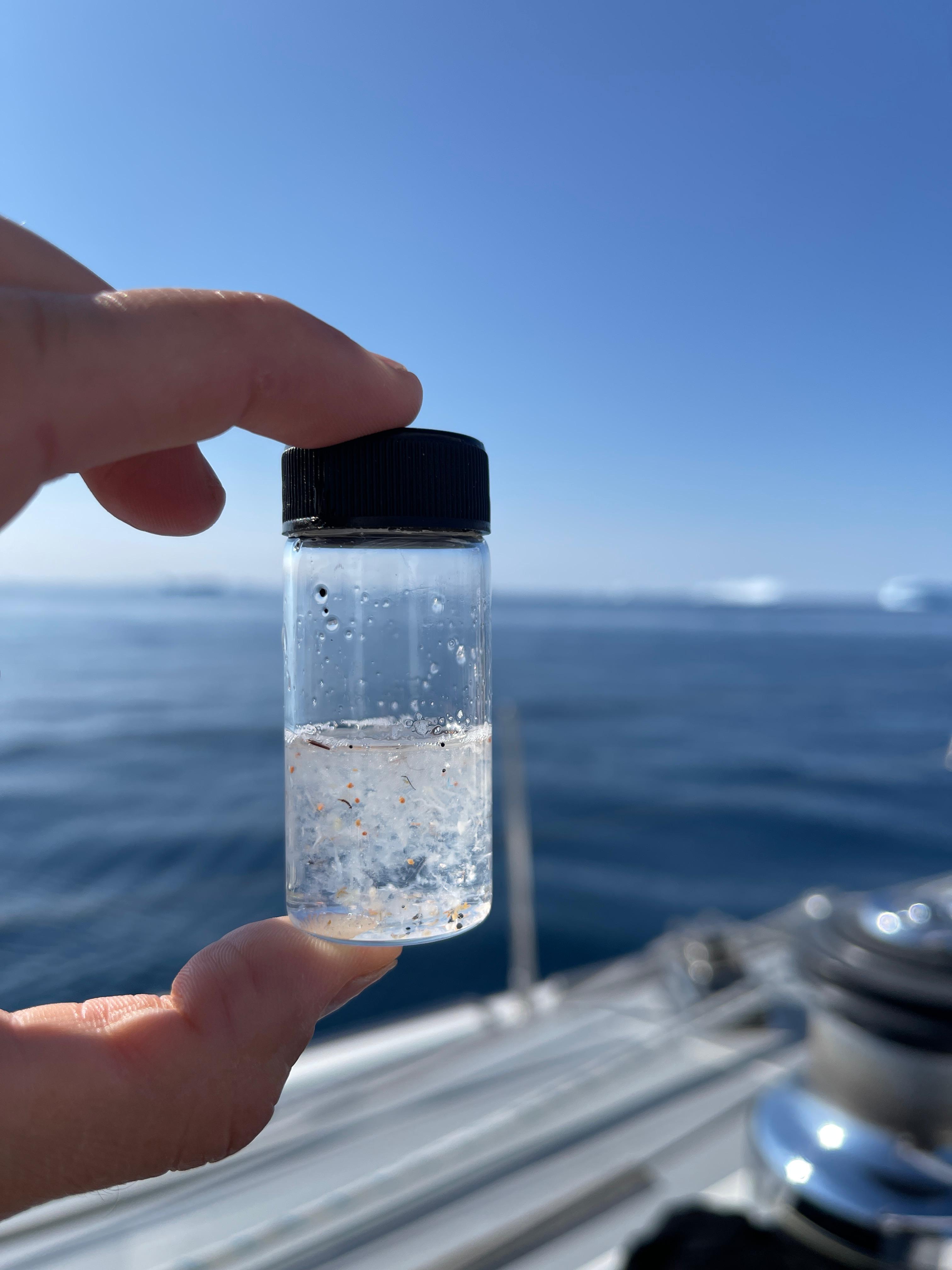
SN: Iniciamos la expedición en la bahía de Disko y en las muestras de superficie del mar tomadas, encontramos algunas fibras de redes de pescar. Nada que ver con la cantidad de microplásticos que encontramos en las muestras recogidas en la superficie del mar en el Caribe. En el recorrido de la expedición que iba desde la bahía de Disko hasta Nuuk, hicimos varias paradas en tierra para asesorar el estado no solo del mar sino también de las playas y de las poblaciones. Lo que encontramos es que en cada playa y en cada calle había cantidad de residuos plásticos. Muchísimo derivado de la industria de la pesca pero muchísimo, sobre todo en las calles, derivado del plástico de un solo uso. Desde envoltorios de comida a fragmentos de plástico o residuos provenientes del tabaco.
vdb: La expedición navegó desde Ilulissat hasta Nuuk, pasando por comunidades remotas como Qeqertarsuaq y Sisimiut. ¿Qué papel juegan estas poblaciones locales en la investigación y cómo se integrará su conocimiento en el estudio?
SN: Pasar por comunidades como Qeqertarsuaq y Sisimiut nos permitió conocer de primera mano el problema de la gestión de residuos en estas comunidades y también conocer qué tipo de residuo plástico es el más predominante en estas zonas. En Qeqertarsuaq nos reunimos con una investigadora que está llevando a cabo investigación y concienciación sobre el problema de las toallitas higiénicas que acaban en el mar por la falta de un sistema de depuradoras en las poblaciones de Groenlandia. Nos estuvo explicando el problema que hay a nivel local y como estas toallitas están creando una manta en el fondo marino. Hablamos de posibles soluciones y de actores que deberían estar involucrados tipo gobiernos, supermercados, etc.
En Sisimiut visitamos la nueva incineradora que sirve para gestionar los residuos no solo de Sisimiut, sino también de todas las poblaciones cercanas. Nos hicieron un tour exhaustivo de la incineradora y nos explicaron todo su funcionamiento al detalle. Teniendo a tripulantes con perfiles científicos e incluso una ingeniera, estuvimos haciendo muchísimas preguntas para entenderlo todo, desde el impacto en emisiones hasta el resultado energético de la incineración. Con la energía resultante, ofrecen calefacción y agua caliente a todo Sisimiut. Y las partículas tóxicas que desprende la incineración, quedan atrapadas por múltiples filtros. El residuo restante, las cenizas, se utilizan para rellenar tierras. A diferencia de otros países en los que se utilizan para asfaltar, en Groenlandia no se puede hacer esto ya que tienen demasiado residuo metálico que no pueden separar.
vdb: Desde tu primera expedición en 2019, ¿has observado cambios significativos en la concienciación social sobre la crisis de los microplásticos? ¿Crees que la situación ha mejorado o, por el contrario, se ha agravado?
SN: Creo que se ha agravado debido a la pandemia que vivimos en 2020 en la que se multiplicó muchísimo el ‘usar y tirar’ en la industria de la salud y además, se aceleró muchísimo el comercio online que también contribuye muchísimo a la crisis del plástico. Hay más conciencia también y se están llevando a cabo estudios sobre el impacto de los microplásticos sobre nuestra salud, que son muy importantes para poder luego influenciar a gobiernos y empresas.
vdb: El equipo de eXXpedition Arctic está formado por once mujeres de perfiles muy diversos: científicas, enfermeras, periodistas, ingenieras… ¿Qué valor aporta esta multidisciplinariedad a la investigación y a los objetivos de la expedición?
SN: Tiene un valor increíble juntar a mujeres de perfiles tan diversos. Es increíblemente inspirador estar con mujeres de perfiles tan diversos pero tan involucradas con esta causa desde perspectivas tan distintas. Cada una de ellas está trabajando en soluciones desde sus respectivos campos, desde la investigación sobre el impacto en nuestros cuerpos hasta escribiendo y concienciando sobre el tema a nivel internacional o influenciando a gobiernos para tomar acción a base de los datos recolectados. Además, tras la expedición, cada una de nosotras se lleva de vuelta todo ese conocimiento y podemos trasladarlo a nuestras comunidades y a nuestros ámbitos de trabajo para poder tener un impacto mayor y trabajar en las soluciones a esta crisis.
vdb: Más allá de la recogida de muestras y el análisis científico, eXXpedition tiene un fuerte componente de comunicación y sensibilización. ¿Cuál será tu rol específico en esta expedición y cómo piensas trasladar esta experiencia a la sociedad española?
SN: Tras navegar por el Ártico y ver el impacto de los residuos plásticos en tierra en comunidades tan remotas y en el mar, me gustaría continuar concienciando sobre la crisis que estamos viviendo y que no parece tener freno. A nivel sociedad, me gustaría concienciar a la población de que cada uno de nosotros a nivel individual también tiene el poder de cambiar las cosas. Con cada compra que hacemos con nuestra cartera, estamos ejerciendo un voto. Podemos ejercer un voto hacia las grandes empresas que están generando los residuos plásticos que están causando esta crisis comprando sus productos, o podemos votar a las alternativas. Y no se trata de hacer lo más sostenible todo el rato, sino de ir cambiando hábitos e intentar optar por la opción menos contaminante cuando se pueda. Si todos tenemos eso en cuenta, nuestro impacto puede ser enorme. Porque entonces serán las grandes empresas contaminantes las que cambiarán sus prácticas para así no perder su margen.
vdb: Después de esta expedición al Ártico, ¿cuáles son tus próximos objetivos personales y profesionales en la lucha contra la contaminación por plásticos en los océanos?
SN: El primero y más inmediato va a ser concienciar sobre el tema y seguir dando charlas sobre el tema. A cualquiera que esté interesado en el tema o empresas, clubs de vela, etc que quieran concienciar sobre el tema, puede contactarme para trabajar juntos en hacer charlas. Mi siguiente objetivo será seguir informándome sobre el tema para así poder concienciar y también trabajar con empresas para cambiar prácticas internas y minimizar el consumo de plásticos, etc. Y por último, mi tercer objetivo es trabajar con eXXpedition para hacer investigación sobre la presencia de microplásticos en el Mediterráneo.
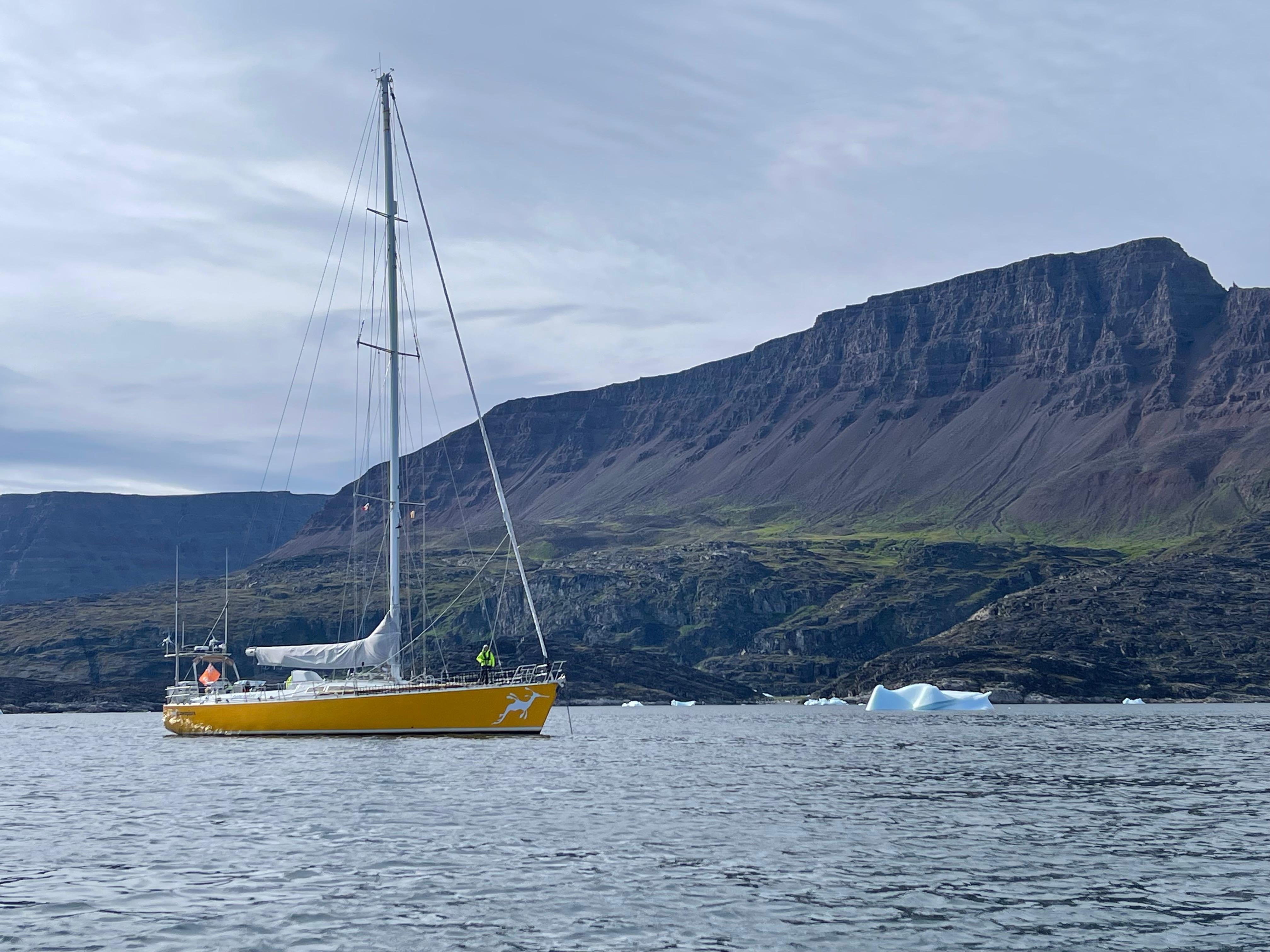
SV Sea Dragon en la isla de Disko – Foto de Sofía Nogués de eXXpedition
Sofía Nogués, only Spanish representative on eXXpedition Arctic: «The plastic crisis has reached every corner of the planet»
In a world where plastic pollution has reached even the most remote corners of the planet, there are those who refuse to observe the problem from a distance. Sofía Nogués Segura, from Club Nàutic Vilassar de Mar, is one of those voices who has decided to literally sail towards the heart of the environmental crisis to document it, study it and, above all, seek solutions.
As the only Spanish representative on the eXXpedition Arctic expedition, Sofía has just returned from an extraordinary voyage through the waters of Greenland, where an all-female crew investigated the presence of microplastics in one of the most pristine environments in the Arctic. From Disko Bay, where icebergs calve from ancient glaciers, to the capital Nuuk, this multidisciplinary team of eleven scientists, nurses, journalists, engineers and activists women has combined cutting-edge scientific research with an unwavering commitment to social awareness.
vadebarcos: Sofía, seven years have passed since your first expedition with eXXpedition between Aruba and Panama. What motivated you to embark on this project again, this time heading to the Arctic?
Sofía Nogués: After seven years and with a pandemic in between, what I’ve observed is that the plastic crisis hasn’t stopped growing. We produce more, we consume more, and we still don’t manage it properly. That motivated me to embark with eXXpedition again, to be able to share perspectives with a group of women from very diverse backgrounds but with the same motivation: trying to find solutions to this problem. And the fact that it was in the Arctic made it even more attractive as it’s such a remote area where we should have found very little or no plastic. But that wasn’t the case.
vdb: In 2019 you were selected from almost 10,000 candidates. What was the selection process like for this Arctic expedition and what does it mean to you to once again be the only Spanish representative?
SN: This time I was invited to go on the expedition having been in contact with the organization all these years. I’ve been giving talks about the impact of microplastics on the environment and the project, and I’ve been in regular contact with the organization to organize various events.
vdb: The Arctic is one of the most remote and pristine environments on the planet. What have you found in terms of microplastic pollution in these waters and what are the implications of finding plastics in a place so far from major cities?
SN: We started the expedition in Disko Bay and in the sea surface samples taken, we found some fishing net fibers. Nothing compared to the amount of microplastics we found in the samples collected from the sea surface in the Caribbean. On the expedition route that went from Disko Bay to Nuuk, we made several stops on land to assess the state not only of the sea but also of the beaches and settlements. What we found is that on every beach and every street there was a quantity of plastic waste. A lot derived from the fishing industry but a lot, especially in the streets, derived from single-use plastic. From food wrappers to plastic fragments or tobacco-related waste.
vdb: The expedition sailed from Ilulissat to Nuuk, passing through remote communities like Qeqertarsuaq and Sisimiut. What role do these local populations play in the research and how will their knowledge be integrated into the study?
SN: Passing through communities like Qeqertarsuaq and Sisimiut allowed us to learn firsthand about the waste management problem in these communities and also to know what type of plastic waste is most predominant in these areas. In Qeqertarsuaq we met with a researcher who is carrying out research and awareness about the problem of sanitary wipes that end up in the sea due to the lack of a sewage treatment system in Greenland’s settlements. She explained to us the problem at the local level and how these wipes are creating a blanket on the seabed. We talked about possible solutions and actors that should be involved like governments, supermarkets, etc.
In Sisimiut we visited the new incinerator that serves to manage waste not only from Sisimiut, but also from all nearby settlements. They gave us an exhaustive tour of the incinerator and explained its entire operation in detail. Having crew members with scientific profiles and even an engineer, we asked many questions to understand everything, from the impact on emissions to the energy output of incineration. With the resulting energy, they provide heating and hot water to all of Sisimiut. And the toxic particles released by incineration are trapped by multiple filters. The remaining waste, the ashes, is used to fill land. Unlike other countries where they’re used for paving, in Greenland this can’t be done as they have too much metallic waste that they can’t separate.
vdb: Since your first expedition in 2019, have you observed significant changes in social awareness about the microplastics crisis? Do you think the situation has improved or, on the contrary, has it worsened?
SN: I think it has worsened due to the pandemic we experienced in 2020 in which ‘use and throw away’ multiplied greatly in the health industry and also, online commerce accelerated a lot, which also contributes greatly to the plastic crisis. There is also more awareness and studies are being carried out on the impact of microplastics on our health, which are very important to then be able to influence governments and companies.
vdb: The eXXpedition Arctic team is made up of eleven women from very diverse backgrounds: scientists, nurses, journalists, engineers… What value does this multidisciplinarity bring to the research and the expedition’s objectives?
SN: It has incredible value to bring together women from such diverse backgrounds. It’s incredibly inspiring to be with women from such diverse backgrounds but so involved with this cause from such different perspectives. Each of them is working on solutions from their respective fields, from research on the impact on our bodies to writing and raising awareness about the issue internationally or influencing governments to take action based on the data collected. In addition, after the expedition, each of us takes back all that knowledge and we can transfer it to our communities and our work areas to be able to have a greater impact and work on solutions to this crisis.
vdb: Beyond sample collection and scientific analysis, eXXpedition has a strong communication and awareness component. What will be your specific role in this expedition and how do you plan to convey this experience to Spanish society?
SN: After sailing through the Arctic and seeing the impact of plastic waste on land in such remote communities and at sea, I would like to continue raising awareness about the crisis we’re experiencing that doesn’t seem to be stopping. At the societal level, I would like to make the population aware that each of us as individuals also has the power to change things. With every purchase we make with our wallet, we’re casting a vote. We can cast a vote for the big companies that are generating the plastic waste that’s causing this crisis by buying their products, or we can vote for the alternatives. And it’s not about doing the most sustainable thing all the time, but about changing habits and trying to opt for the least polluting option when possible. If we all keep that in mind, our impact can be enormous. Because then it will be the big polluting companies that will change their practices so as not to lose their margin.
vdb: After this Arctic expedition, what are your next personal and professional goals in the fight against plastic pollution in the oceans?
SN: The first and most immediate will be to raise awareness about the issue and continue giving talks on the subject. Anyone who is interested in the topic or companies, sailing clubs, etc. that want to raise awareness about the issue can contact me to work together on giving talks. My next goal will be to continue learning about the topic in order to raise awareness and also work with companies to change internal practices and minimize plastic consumption, etc. And finally, my third goal is to work with eXXpedition to do research on the presence of microplastics in the Mediterranean.
También te puede interesar:
Se ha producido un error. Actualiza la página y/o inténtalo de nuevo.
Juan A Oliveira es Ingeniero Técnico Naval por la Universidade da Coruña y MBA por la UNIR. Con más de 20 años de experiencia en el sector naval, desde 2013 edita y coordina el blog vadebarcos.net. Puedes conectar con él a través de LinkedIn.
Si te ha gustado la entrada, puedes recibir las nuevas entradas del blog en tu correo electrónico en el botón de abajo. Además, puedes seguir toda la actualidad del mundo de los barcos en el Flipboard de Vadebarcos.


 VA DE BARCOS